
December, 2025
How Aamer Architects Navigate Complex Residential Projects
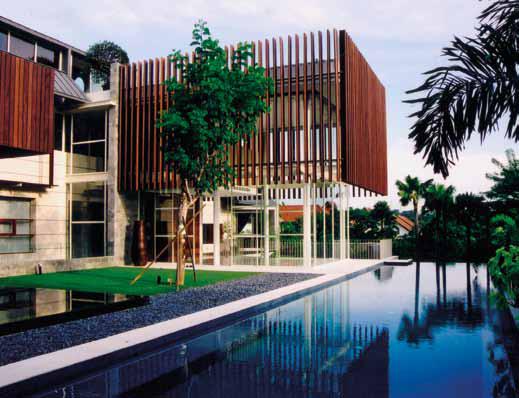
Image by: Tawan Conchonnet
In the realm of Singapore landed house design, architecture firms face a uniquely demanding set of challenges. From dense urban plots and tropical weather conditions to stringent regulations and high client expectations, designing residential homes in Singapore calls for expertise that goes far beyond aesthetics. Successfully navigating these complexities requires a nuanced approach, one that balances creativity, coordination, and compliance while delivering bespoke living spaces that feel effortless to inhabit.
This article explores how leading architecture firms in Singapore manage large-scale, high-stakes residential projects with a focus on coordination, planning, engagement, and regulation. It also provides a glimpse into the mindset and methodologies that drive exceptional outcomes in custom landed homes.
Multi-Disciplinary Coordination in Residential Design
One of the defining characteristics of any successful Singapore landed house design project is the seamless coordination between various disciplines. Architects today are not only visionaries; they are also facilitators working across structural, lighting, landscape, and interior teams.
Effective collaboration begins during the concept stage, where spatial intentions must align with engineering logic and buildability. Design teams are increasingly using digital models and BIM (Building Information Modelling) to create shared working environments, allowing consultants to test design logic early and resolve technical conflicts before construction. This results in fewer delays and a smoother build process.
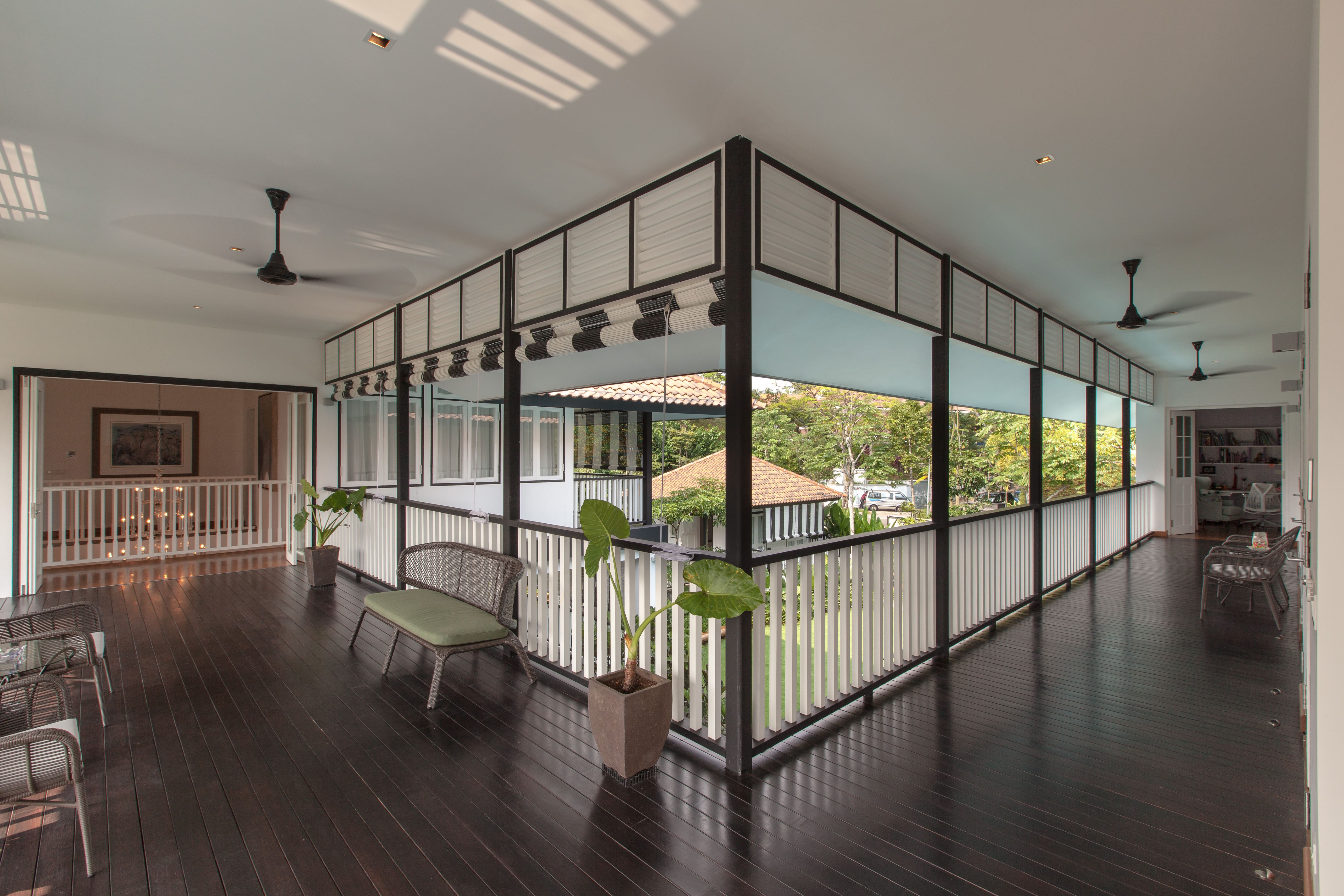
Image by: Sanjay Kewlani
Coordination meetings are scheduled at regular intervals across all project stages. These sessions bring all stakeholders to the table, creating space for cross-disciplinary feedback loops and early resolution of issues. They also serve to strengthen design integrity, ensuring that no single decision is made in isolation.
Additionally, the best firms prioritise face-to-face communication between disciplines. Design consultants are often present during site walks, value-engineering sessions, and shop drawing reviews, which fosters accountability and helps maintain design intent throughout execution.
Ultimately, it is this consistent interdependence between architects, engineers, and specialists that transforms complexity into cohesion, especially for landed properties that require bespoke detailing and advanced systems integration.
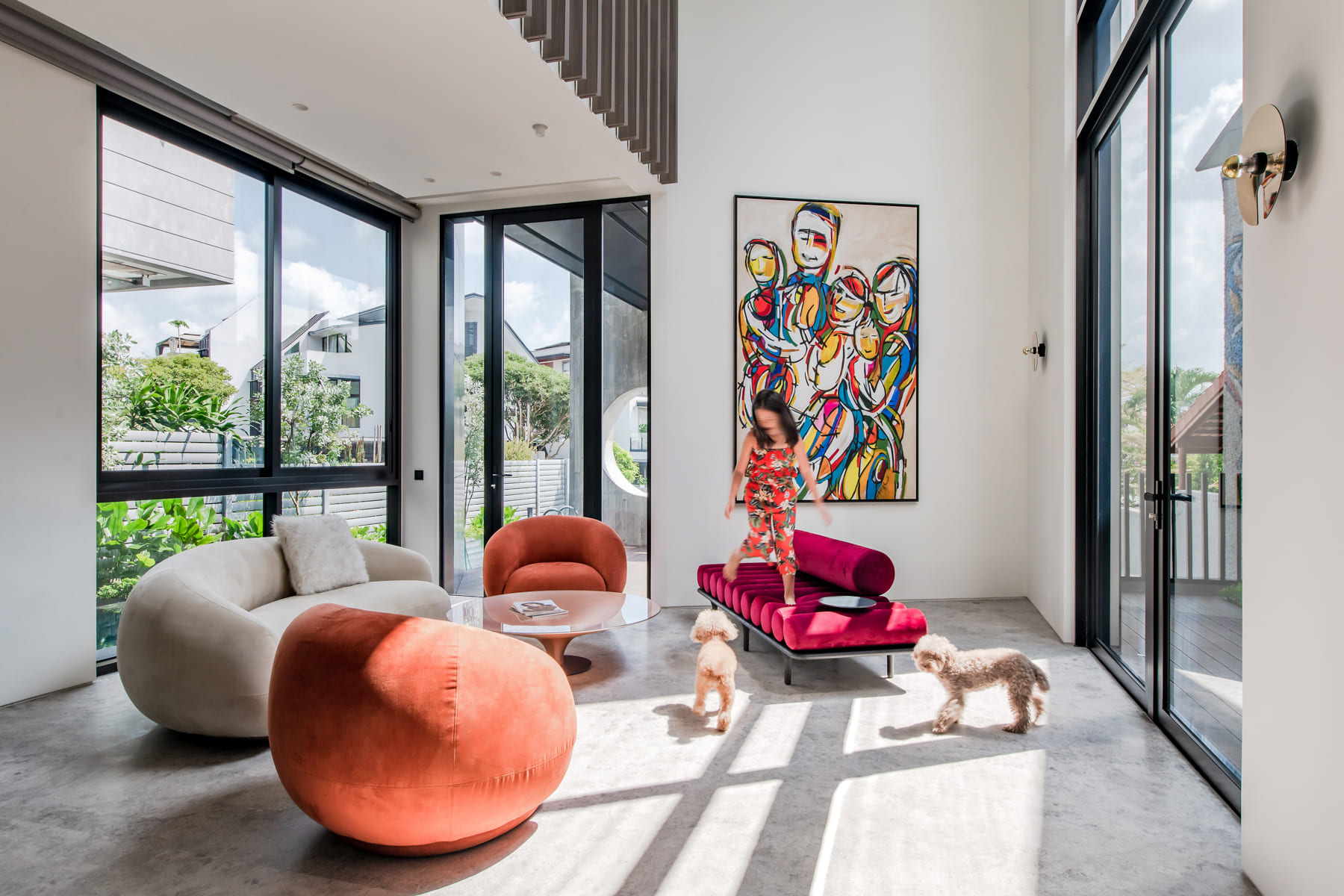
Image by: David Yeow
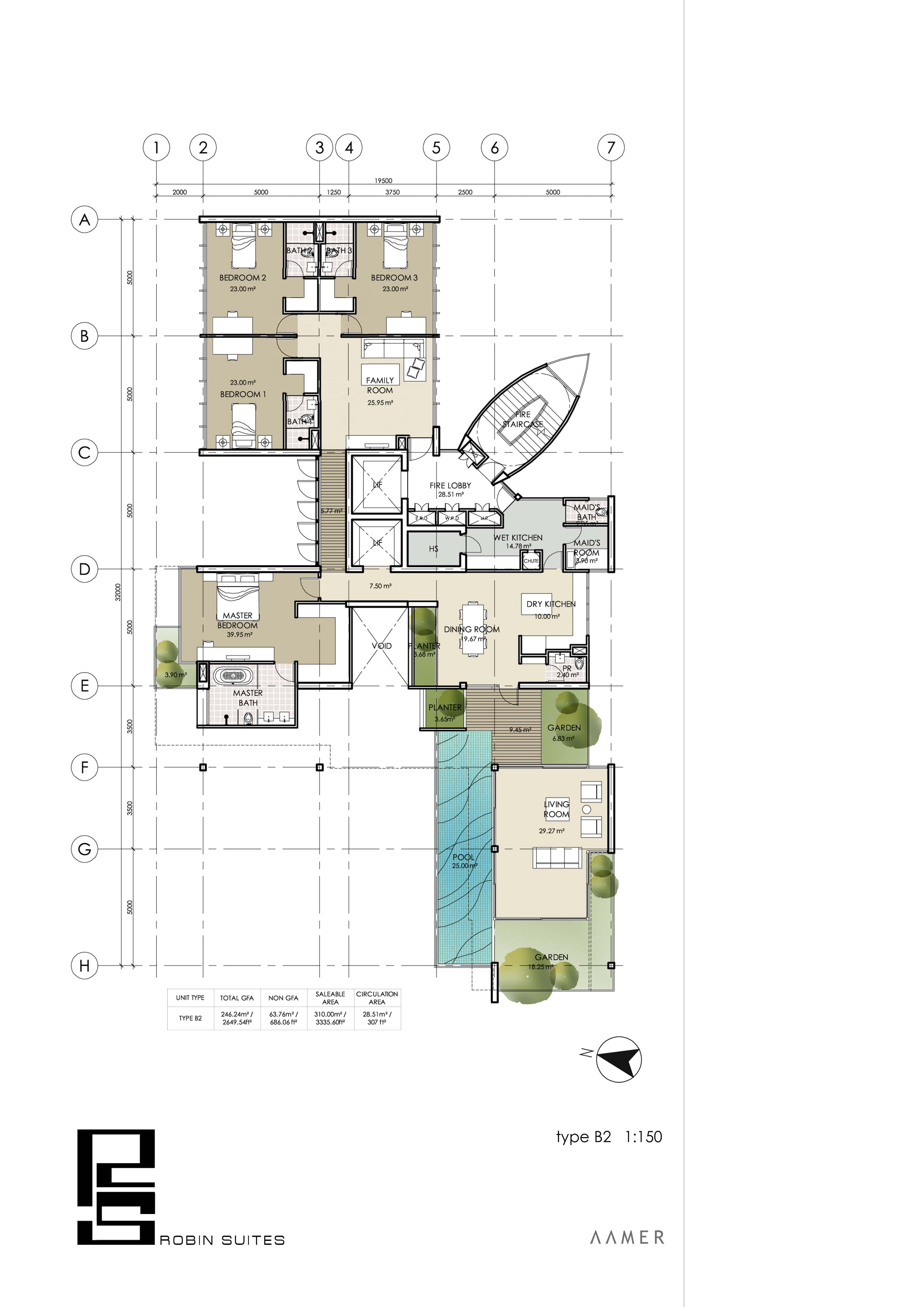
Project Milestones and Decision Points for Seamless Execution
In any complex residential project, timing is everything. Establishing clearly defined project milestones and decision-making checkpoints allows firms to stay agile while avoiding scope creep or costly revisions.
Key milestones are usually tied to design submissions, regulatory approvals, tender documentation, and construction phases. Each stage serves as a pause for reflection, allowing the team to recalibrate priorities based on updated site conditions, material lead times, or client preferences. Maintaining this rhythm ensures continuity while creating room for evolution.
Within these milestones, decision points are embedded strategically. Whether it’s choosing material palettes before detail design or finalising joinery layouts before M&E runs, each decision is sequenced to minimise rework downstream. Firms that plan for these checkpoints are better equipped to respond to shifting constraints without compromising on quality or performance.
Design managers play a vital role in this process. They act as custodians of the timeline, tracking dependencies between disciplines and flagging delays before they snowball. When working with tight land plots and complex zoning parameters as is common in Singapore landed house design this level of discipline becomes essential to avoid costly overruns.
Beyond tracking progress, firms also document lessons learned from previous projects to refine their milestone models. These insights feed into internal playbooks and process improvements, ensuring that each new home benefits from the collective intelligence of past builds.
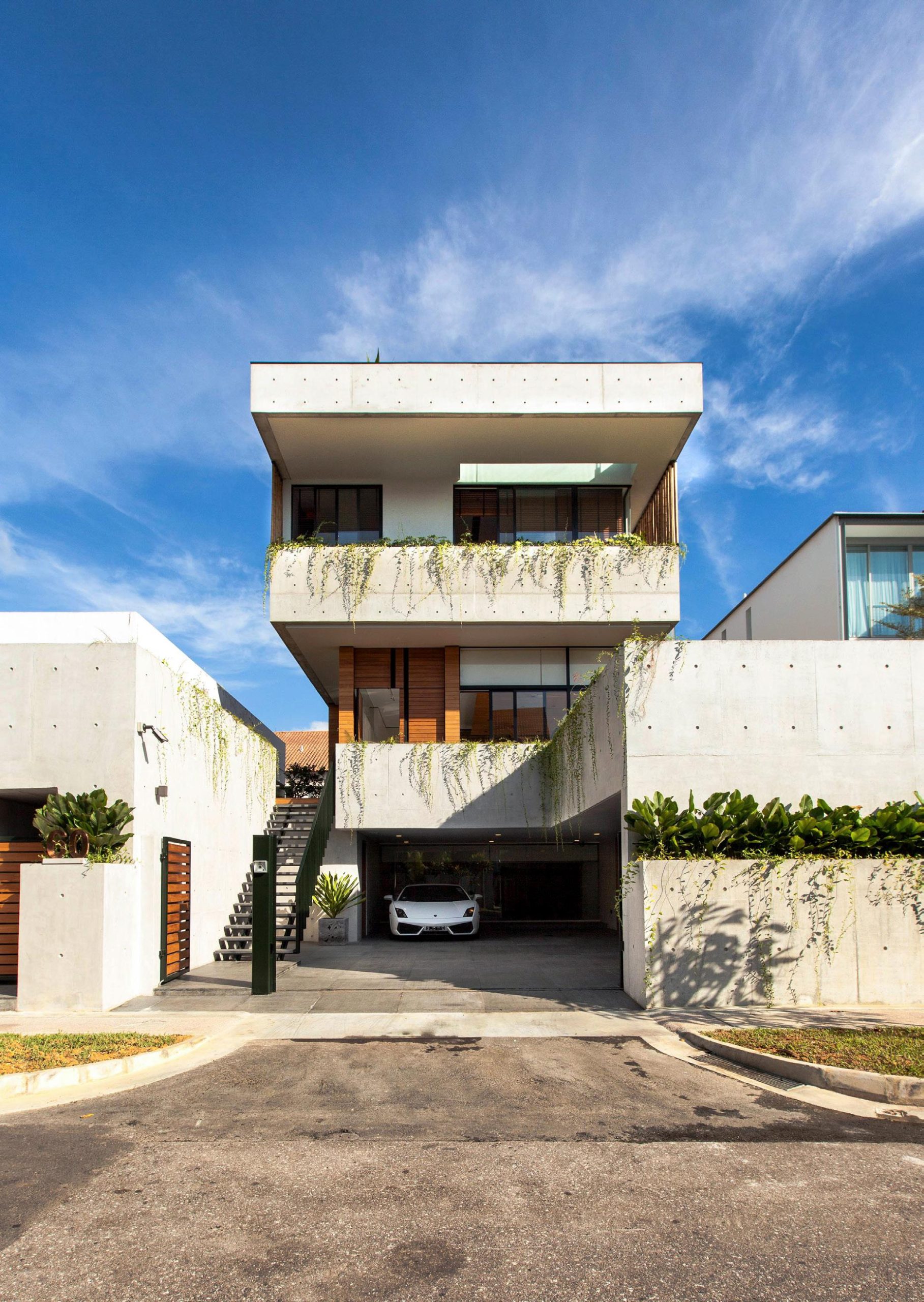
Image by: Sanjay Kewlani
Client Engagement Strategies that Align Vision, Feasibility, and Budget
Client relationships are central to the success of landed home projects, especially when the scale and budget are significant. Architecture firms that excel in Singapore landed house design invest heavily in the alignment process turning early conversations into clear expectations.
The first step involves deep listening. Clients often arrive with images, references, and aspirations, but it’s up to the architect to translate those into spatial concepts grounded in feasibility. This means assessing site orientation, programmatic needs, and regulatory limitations while proposing options that work within budget.
During the design phase, firms conduct multiple reviews with 3D walkthroughs, physical models, and mock-ups to bring the vision to life. These tools help demystify the design process for clients and give them confidence in key decisions. Clients who feel informed are less likely to request drastic changes later, resulting in smoother delivery.
Value engineering is another critical part of engagement. Rather than cutting corners, firms involve clients in strategic substitutions that maintain the design’s intent while improving cost-efficiency or buildability. For instance, swapping imported cladding for a locally sourced material can free up budget for a more ambitious interior or landscape element.
Finally, transparency around contingencies, approvals, and timeline risks helps set realistic expectations. The most trusted firms engage clients not just as customers, but as co-creators leading to homes that reflect personal stories while standing the test of time.
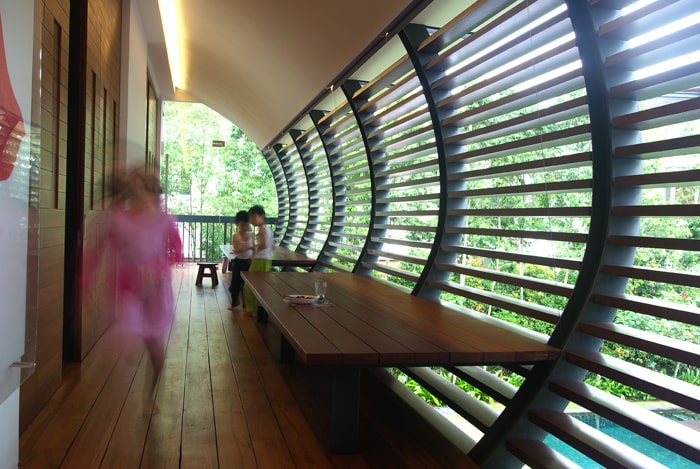
Image by: Amir Sultan
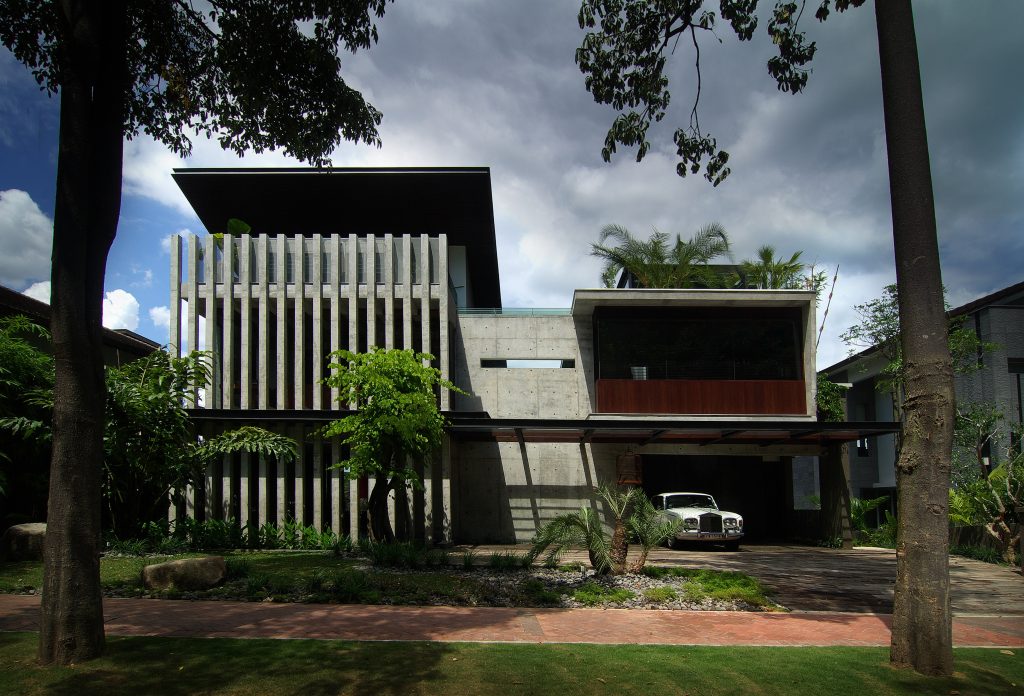
Image by: Amir Sultan
Collaborative Processes for Navigating Regulations and Enhancing Outcomes
Beyond compliance, architects also work closely with Qualified Persons (QPs), contractors, and consultants to ensure that approved designs are properly implemented on site. Regular site inspections, method statement reviews, and statutory checklists keep the project on track and audit-ready. This collaboration also helps catch non-conforming works early and provides room for remediation without major delays.
Moreover, regulation is not just about avoiding penalties it’s also a pathway to better outcomes. Sustainable incentives like Green Mark points, stormwater detention credits, or softscape bonuses can be leveraged to enhance the project’s livability and long-term value. Navigating this terrain takes foresight and partnership.
By embedding regulatory navigation into the design process from the outset, firms position themselves as proactive rather than reactive, delivering homes that are both compliant and compelling.
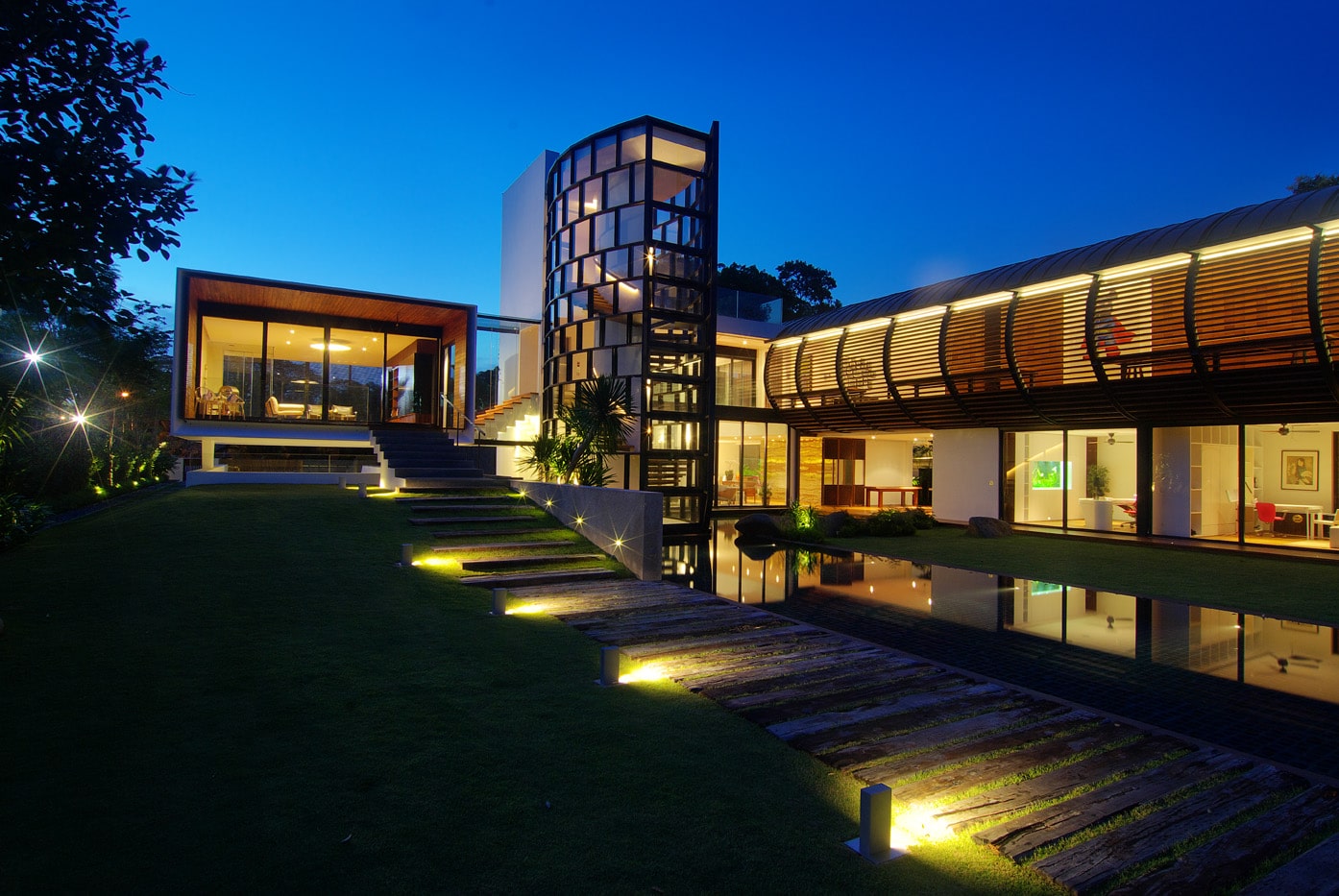
Image by: Amir Sultan
Discover Aamer Architects
Designing a Singapore landed house is no longer just about lines on a page, it’s about managing complexity, aligning stakeholders, and turning constraints into creativity. Through coordinated processes, timely decisions, and deep client collaboration, architecture firms in Singapore are setting new standards for how custom homes can be conceived and delivered.
These projects are not simply exercises in form and function; they are orchestrated efforts that reflect a fusion of vision, technology, and trust. And when done well, they produce homes that are as thoughtful as they are timeless.
If you are inspired by our work and ready to bring your dream home to life, we’d love to hear from you. Contact us today and let us craft an extraordinary house together for you.