January, 2026
The Design Principles of Singapore’s Landed Houses
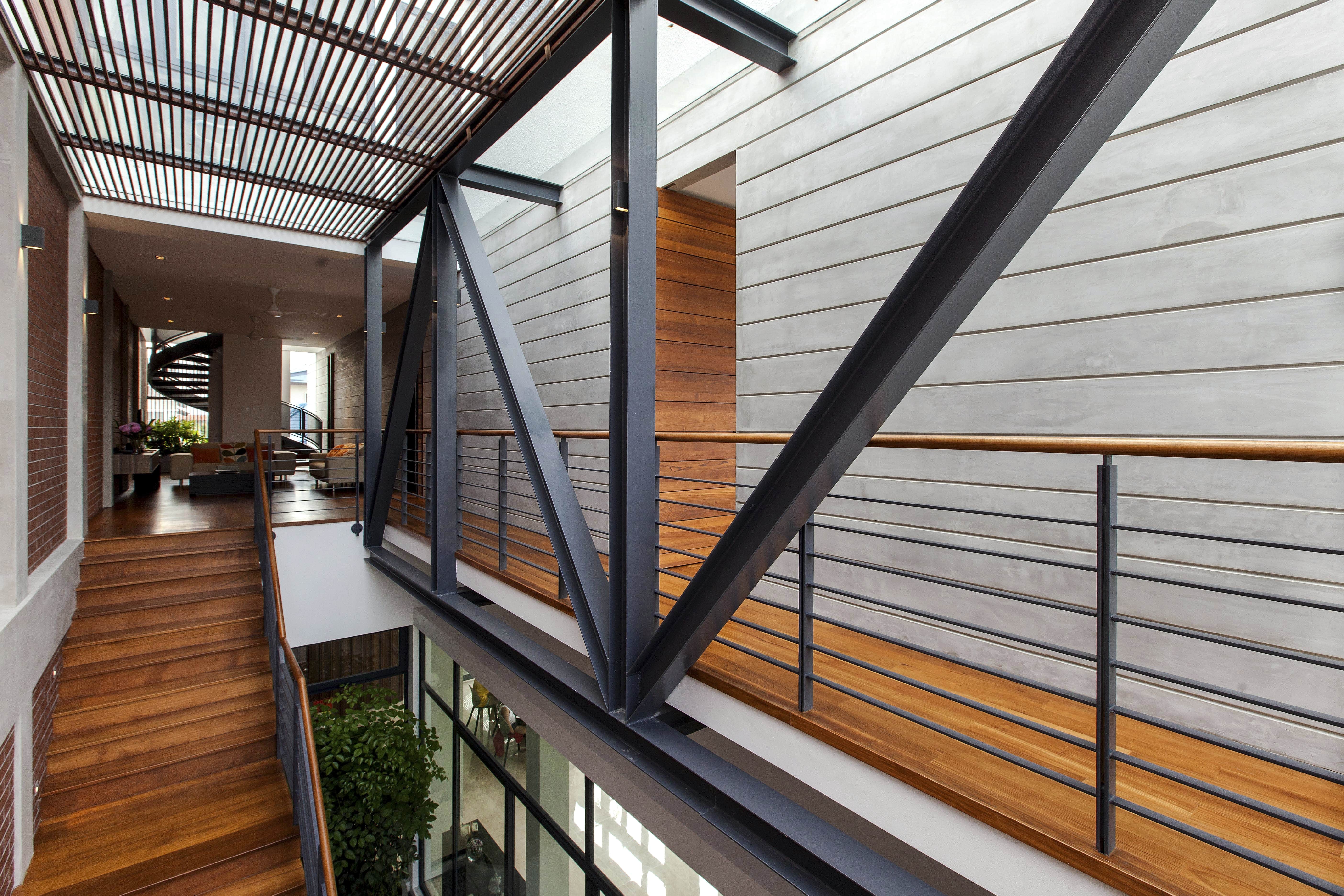
Image by: Sanjay Kewlani
In Singapore’s densely built environment, landed houses offer a rare opportunity to design a space that is personal, flexible, and deeply integrated into its surroundings. Whether it’s a terrace, semi-detached, or bungalow, the landed house in Singapore represents both a luxury and a responsibility. From ensuring a comfortable indoor environment to preserving harmony within the neighbourhood, designing these homes requires careful attention to detail. With rising expectations for sustainability and lifestyle adaptability, understanding the key principles behind landed house design is essential for homeowners, architects, and developers alike.
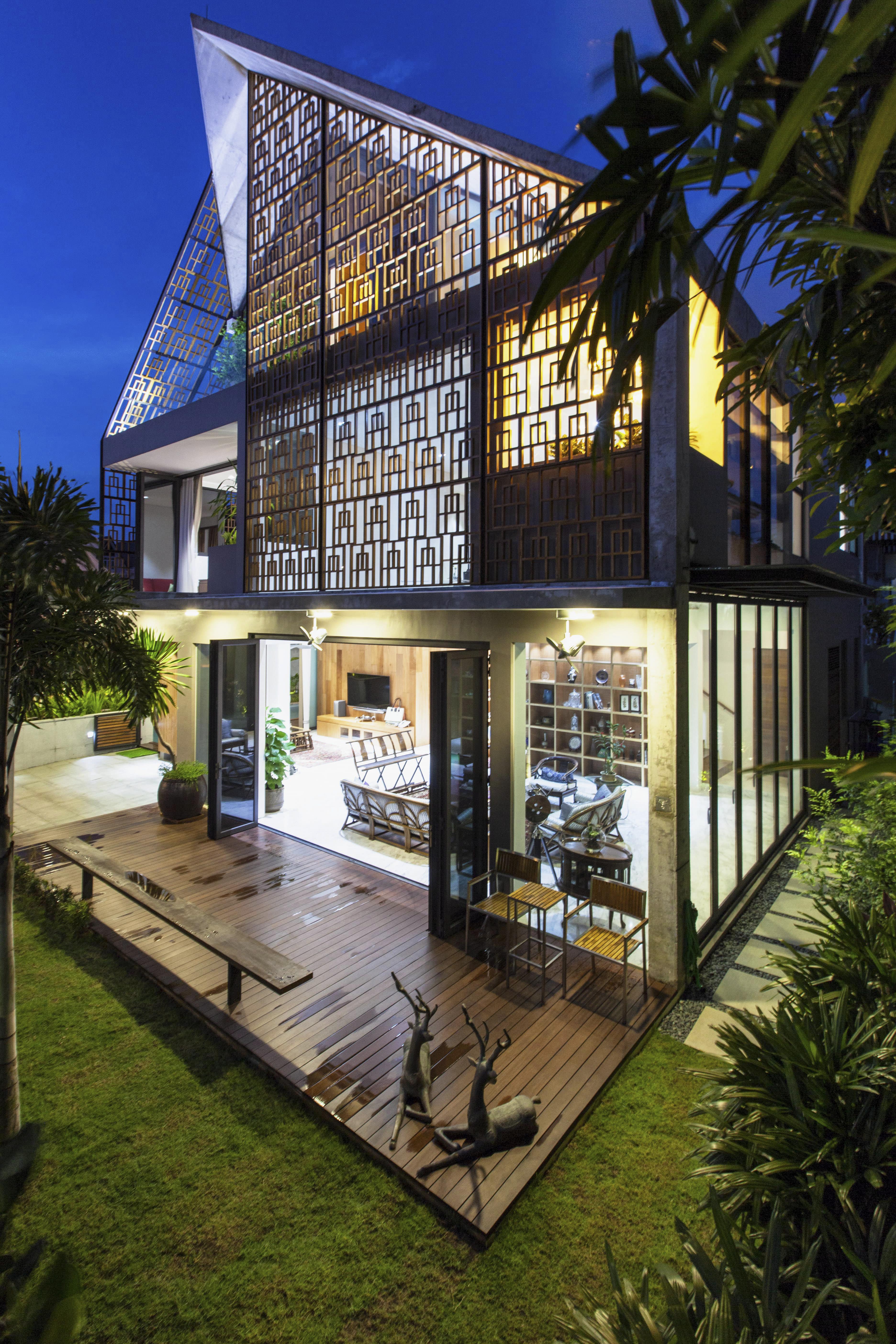
Image by: Sanjay Kewlani
Essential Design Considerations for Landed Properties in Singapore
Designing a landed house in Singapore requires a thoughtful balance of space optimisation, privacy, climate responsiveness, and multigenerational living. With limited land and strict planning regulations, architects must craft layouts that maximise light, airflow, and function. Orientation is key placing main living areas away from the harsh western sun and aligning openings with prevailing breezes enhances thermal comfort naturally.
Privacy is vital, especially in terrace and semi-detached homes built in close proximity. Solutions like green walls, internal courtyards, and staggered windows help maintain seclusion without sacrificing openness. At the same time, ensuring strong connectivity across indoor and outdoor spaces and between multiple levels enhances daily livability.
A striking example of these principles is a bungalow located at a busy road junction, designed with raw off-form concrete and finely crafted Balinese teak screens to protect against the urban environment while allowing light and ventilation. Solid boundary walls and greenery reduce noise, while a double-volume living space with a mezzanine library fosters interaction. Outdoor decks and a cooling pool integrate seamlessly with the interior, and an attic master suite benefits from overhangs and long views rare in such dense settings. Together, these elements embody smart, site-sensitive design.
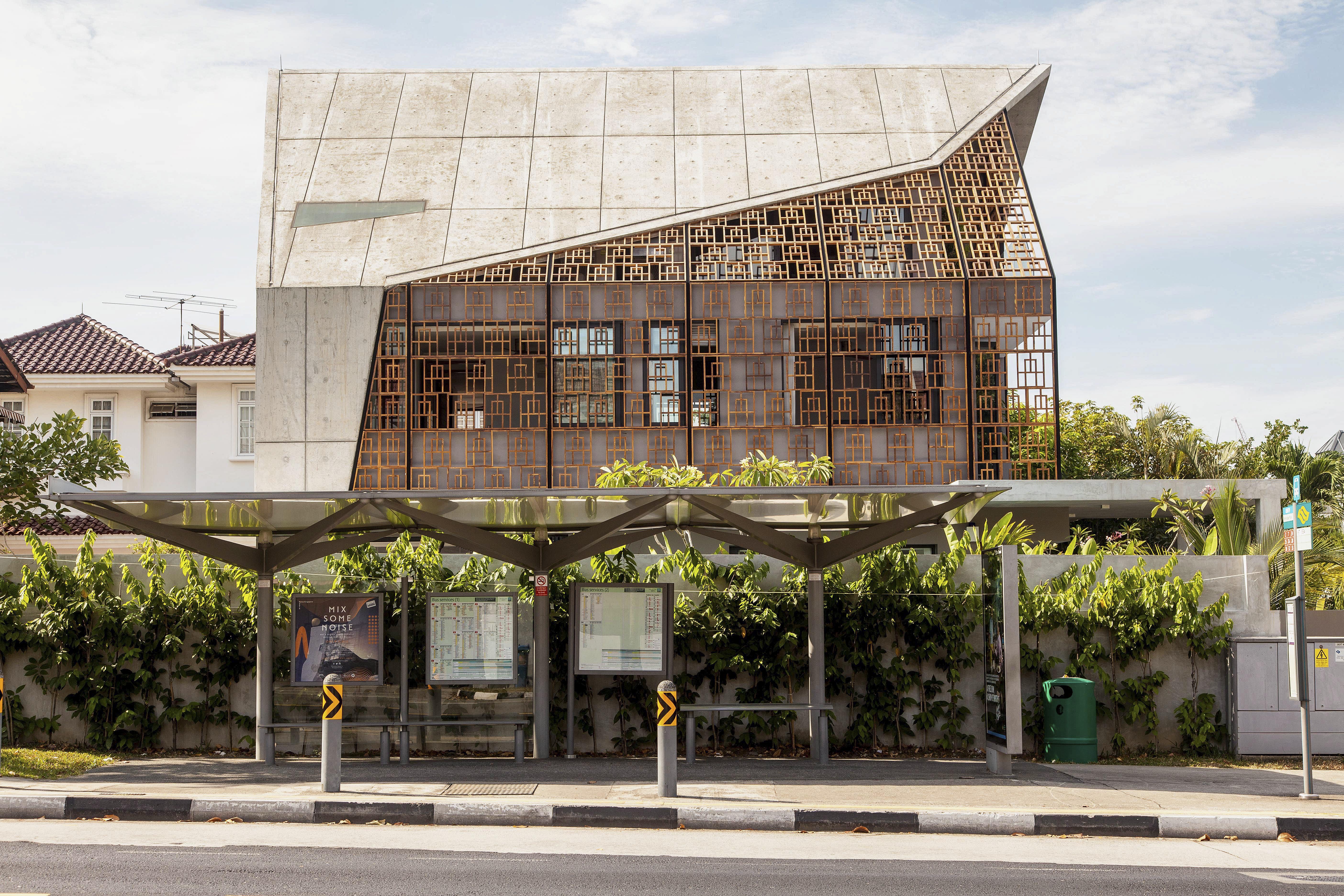
Image by: Sanjay Kewlani
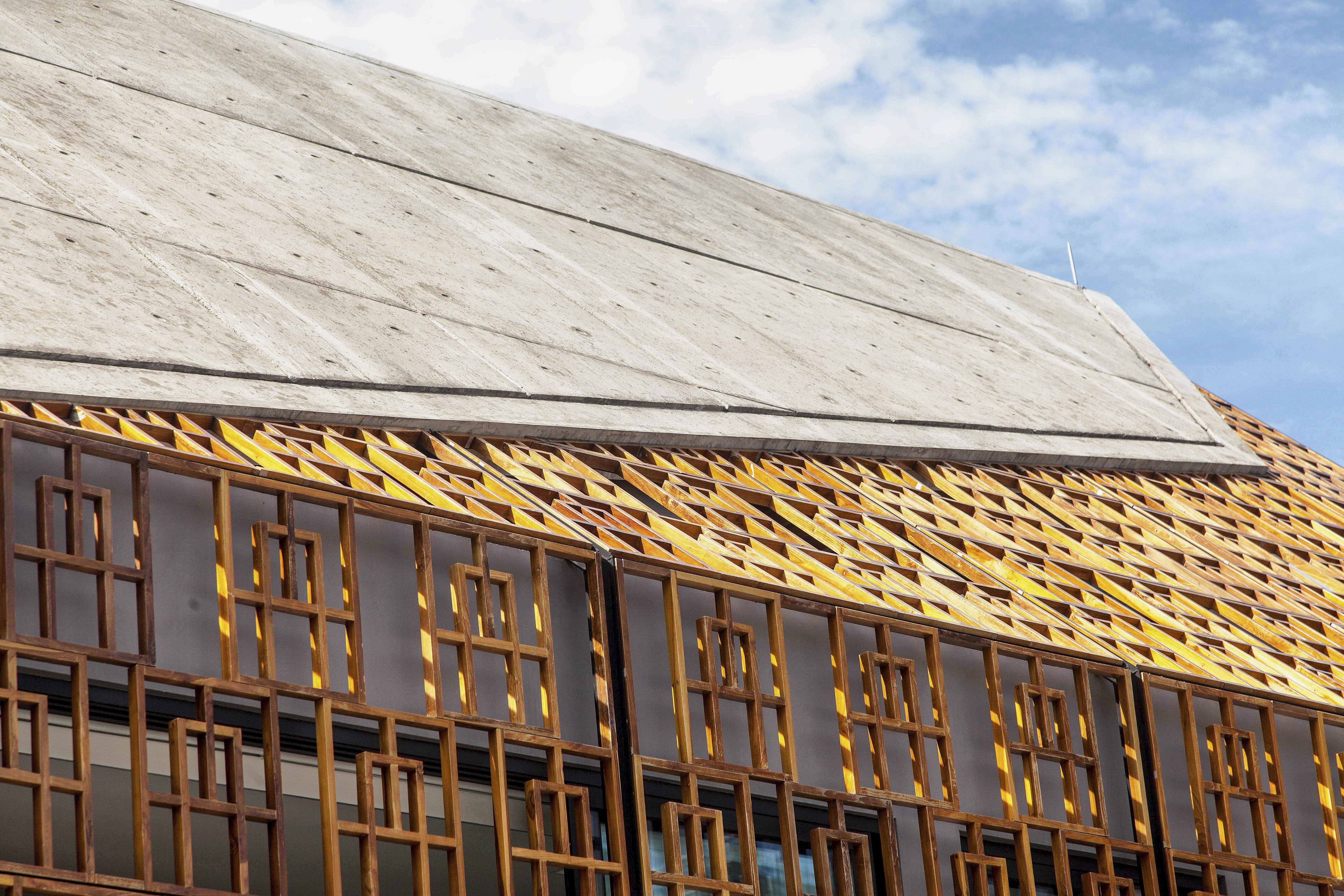
Image by: Sanjay Kewlani
Planning Design and Construction Phases for Tropical Climate Conditions
Singapore’s hot, humid, and rainy climate requires homes to be carefully designed for thermal comfort, ventilation, and durability. Architectural strategies such as deep roof overhangs, shaded verandas, and air wells help minimise heat gain and reduce dependence on air conditioning. The building envelope must protect against heavy rain while allowing the house to breathe.
Ventilation is crucial; homes are typically oriented to catch cross-breezes and avoid solar heat buildup. Operable louvres, high ceilings, and double-volume spaces enhance airflow. Material selection such as natural stone, perforated metal, or heat-reflective finishes also improves thermal performance.
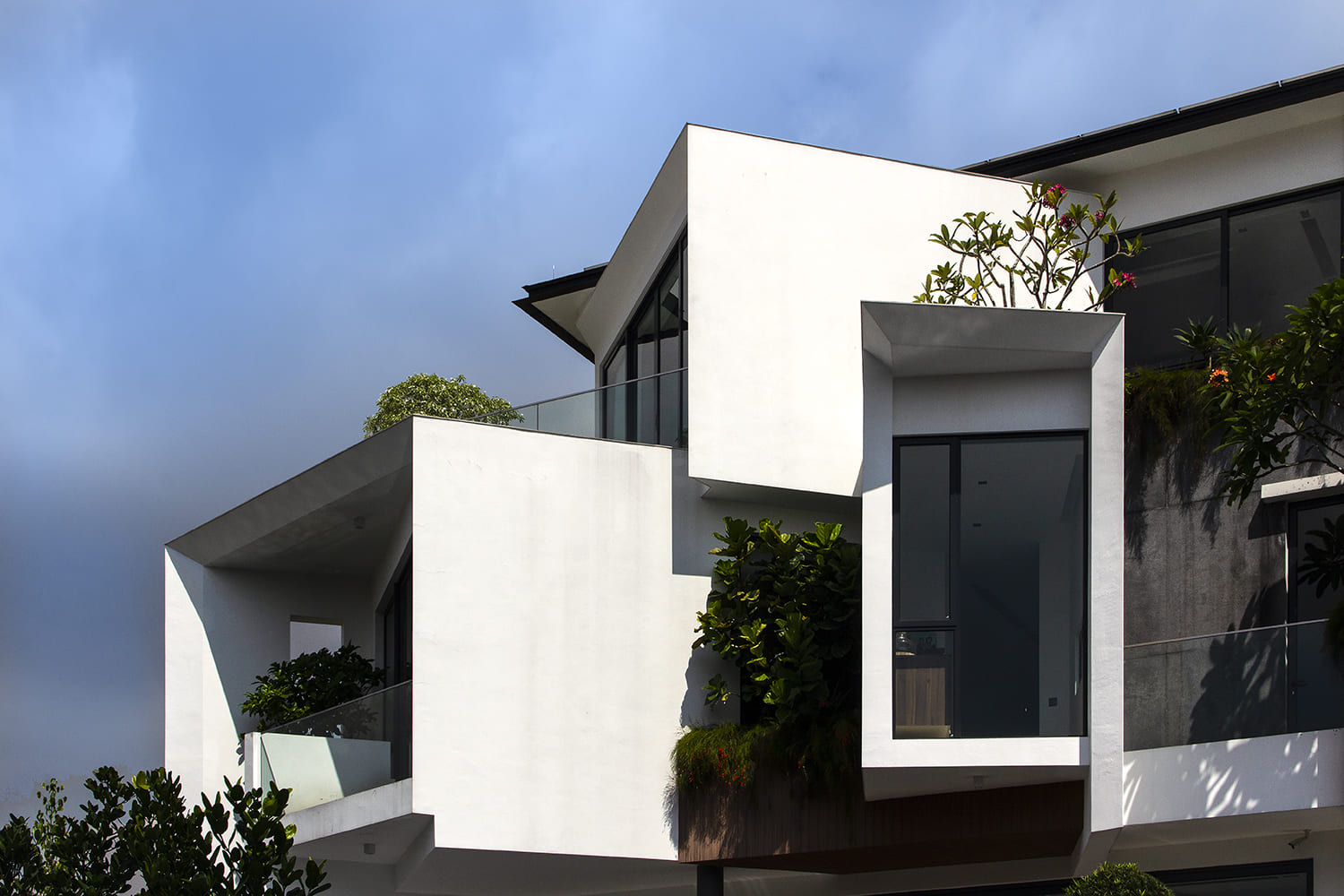
One striking example is a tropical avant-garde bungalow where the form directly responds to climate and user needs. The home comprises multiple bedroom ‘units’ that pop out from the main structure. Each is positioned for optimal views and designed with distinct overhangs based on sun orientation, ensuring ample shade. Balconies and planters further enhance airflow and visual greenery, giving the house an organic, climate-adapted feel.
During construction, selecting teams familiar with tropical building science is essential. Proper drainage, insulation, and waterproofing prevent long-term issues. Meanwhile, landscape strategies like green roofs and shading trees help regulate the microclimate and manage stormwater, enhancing both comfort and resilience.
Integrating Sustainability with Modern Living and Neighbourhood Context
Sustainability in landed house design goes beyond energy-efficient appliances; it starts with passive strategies that reduce the need for artificial lighting and cooling. Solar orientation, large low-E windows, and cross-ventilated layouts make homes energy-conscious while enhancing comfort. Increasingly, homeowners are also investing in solar panels, rainwater harvesting, and smart home systems, lowering operational costs while contributing to national sustainability goals. Green certifications like BCA Green Mark further validate eco-conscious choices.
One exceptional example is a bungalow positioned on a site the clients described as having ideal fengshui – jor san, hiong hoi (sitting against a hill, facing the sea). Designed by Aamer Architects, the house was configured as two interconnected pavilions, oriented to capture sea breezes, golf course views, and the hillscape beyond. Lush landscaping across the home provides both shade and natural insulation.
This home also integrates numerous green features: photovoltaic panels line the roofs; LED lighting is used throughout; rainwater is collected for irrigation; and bio-filtration systems purify water for the pond. Even food waste is composted for gardening. Minimal-impact materials like off-form concrete, terrazzo flooring, and recycled Australian hardwood railway sleepers were carefully selected.
Finally, the design respects the neighbourhood’s character, blending bold contemporary forms with natural textures and greenery that soften the house within its context merging modern living with environmental and social responsibility.
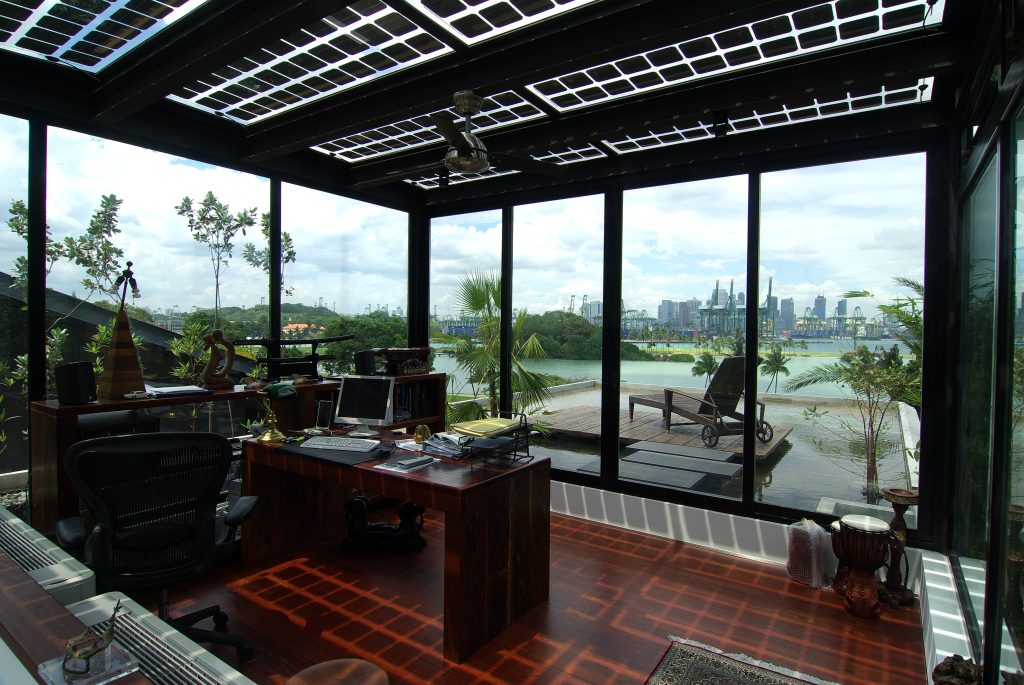
Image by: Amir Sultan
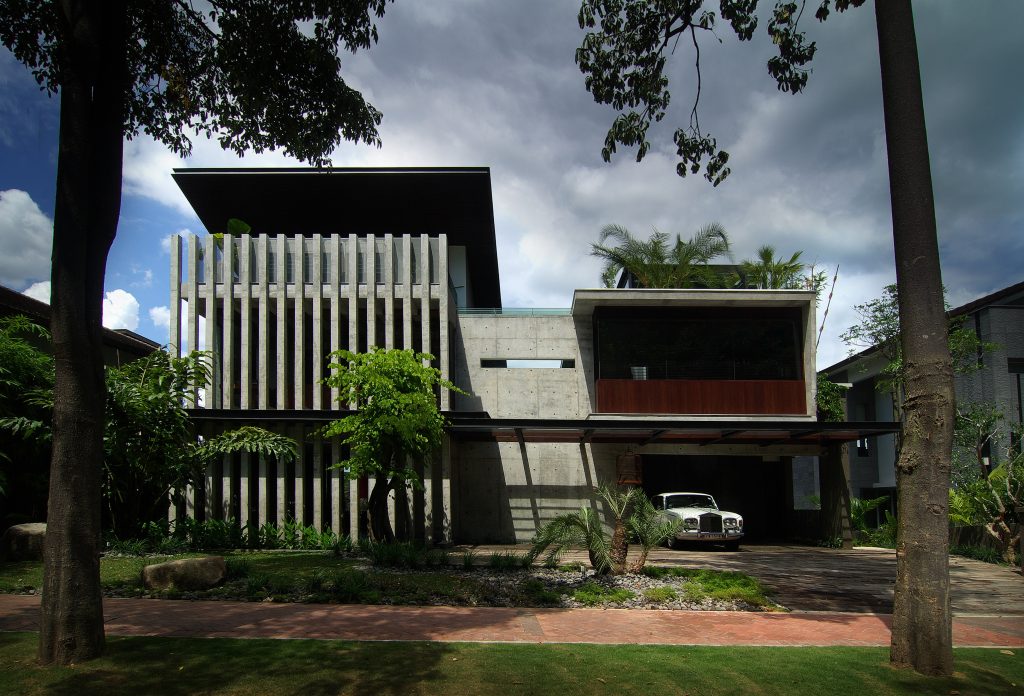
Image by: Amir Sultan
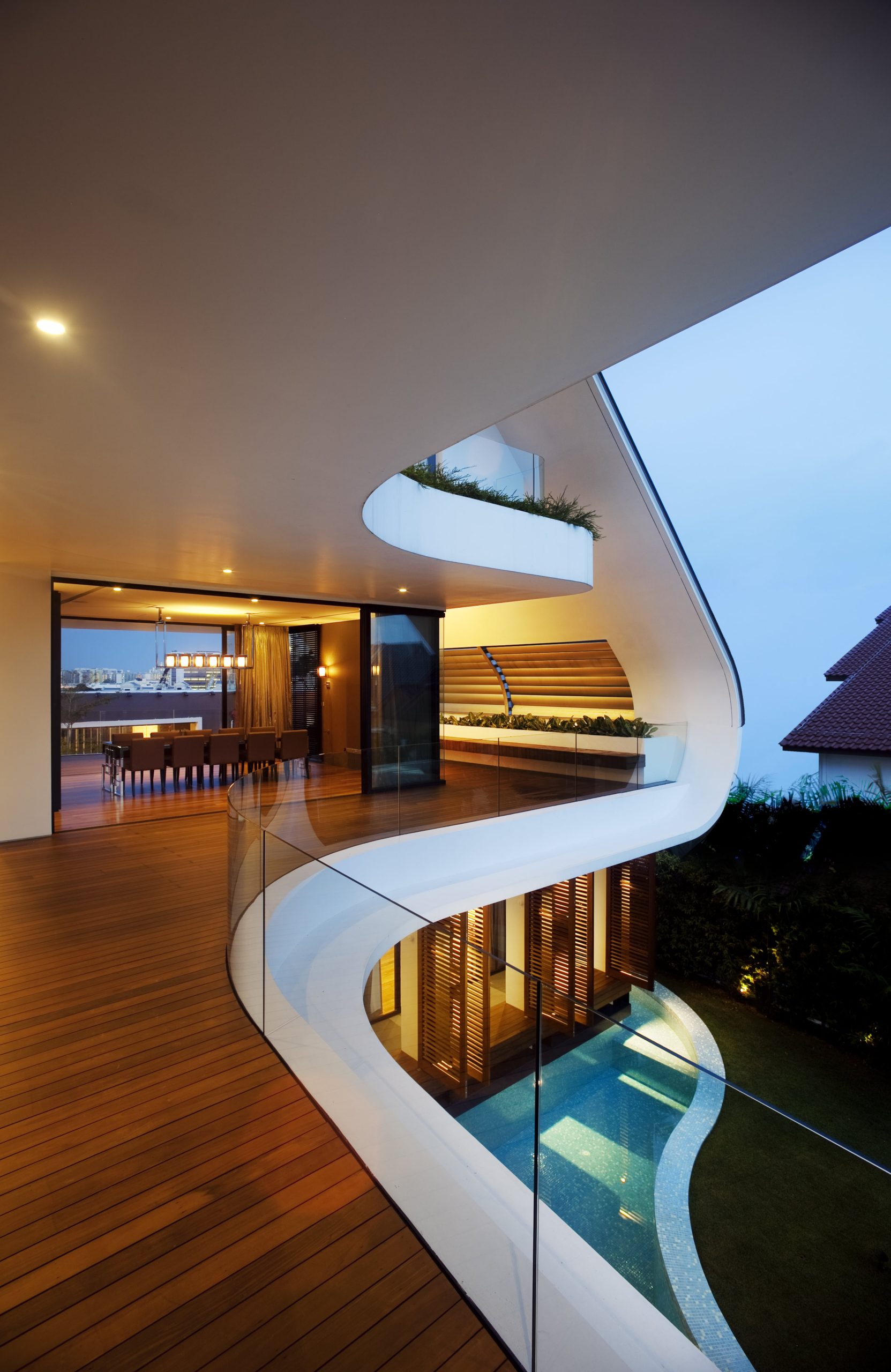
Image by: Patrick Bingham – Hall
Creating Long-Term Value Through Context-Sensitive Architectural Design
Designing a landed house in Singapore is not just about present-day comfort, it’s an investment in long-term value. Homes that are adaptable can better respond to evolving family needs, market trends, and regulatory changes. Flexible spaces that can transform into home offices, guest rooms, or wellness areas are increasingly sought after.
Context-sensitive design is crucial. A home that respects its site’s shape, slope, street character, and prevailing winds feels more timeless than one that imposes itself on the land. This approach creates architecture that ages gracefully and retains stronger resale value.
A remarkable example is a seven-bedroom multi-generational home built on a steep, odd-shaped hill dotted with mature trees. Instead of removing the trees, the house meanders fluidly over five floors, wrapping around the landscape. Its massing reduces as it rises, allowing the home to stand out without overwhelming its context. Strategic voids ensure all rooms receive natural light and ventilation, while a sunburst waterfall courtyard offers a dramatic welcome.
Discover Aamer Architects
Durability and performance also underpin long-term value. Features like solar panels, double glazing, and energy monitoring systems future-proof homes while off-form concrete, steel, and local materials reduce maintenance and harmonise with the surroundings.
Thoughtful touches, timber details, green views, and quiet interiors enhance well-being and emotional connection, transforming a house into a legacy home that grows in meaning and market worth over time.
Landed house design in Singapore requires a sensitive and strategic approach, one that balances modern lifestyle aspirations with climate, sustainability, and the unique challenges of urban living. From maximising airflow in a tropical setting to maintaining visual harmony within a heritage-rich neighbourhood, every design decision has long-term implications. It’s not just about creating beautiful homes, it’s about building responsibly for the future.
If you’re exploring landed house design in Singapore, working with an experienced architect who understands these principles can make all the difference. Contact us today and let us craft an extraordinary house together for you.